Oculoplasty Surgery
Advanced Oculoplasty surgery with premium techniques. Restore your vision and facial aesthetics with the latest oculoplasty technology and expert care by Dr. Chetan Kharkande.
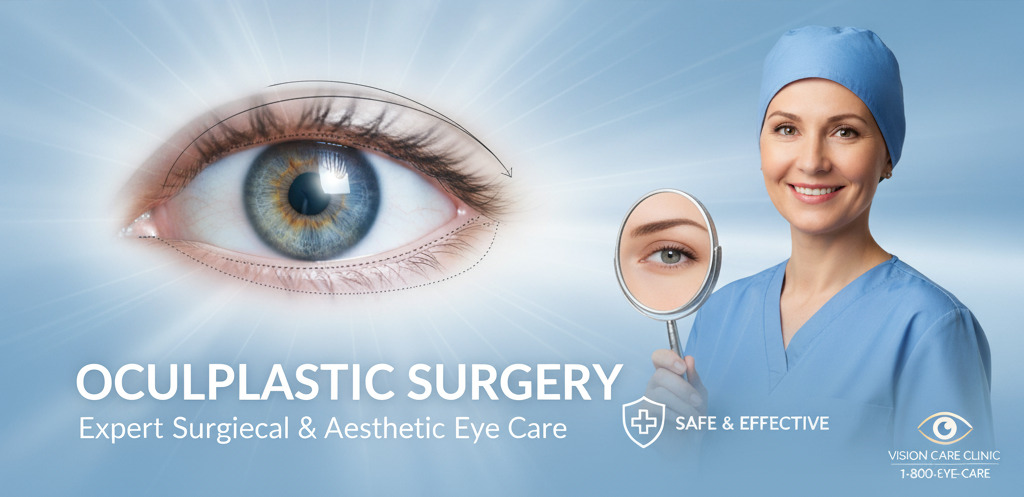
What is Oculoplasty Surgery?
Oculoplasty, also known as oculoplastic surgery is a specialized branch of ophthalmology that focuses on the disease diagnosis, affecting the structures around the eyes, including the eyelids, tear ducts, orbit (eye socket), and the surrounding facial tissues. The term "oculoplasty" is derived from the combination of "oculo" (related to the eye) and "plasty" (surgery or reconstruction)..
At Vivekanand Eye Hospital, we offer specialized care for cosmetic and reconstructive procedures around the eye, addressing both functional impairment and aesthetic concerns with precision.
Why Choose Oculoplasty at Vivekanand Eye Hospital?
- Expertise in functional and aesthetic eye-related procedures
- Comprehensive diagnosis and personalized treatment plans
- Management of orbital tumors, trauma, and bony defects
- Advanced techniques for tear duct and eyelid reconstruction
- Focus on restoring both vision and natural appearance
- Safe and modern surgical environment

Reconstructive Focus
Eyelid & Orbital SurgeryExperienced Surgeon
Dr. Chetan KharkandeConditions Treated by Oculoplasty
Recognize the signs that you may benefit from oculoplastic intervention
Ptosis (Drooping Eyelid)
An upper eyelid droop that can block vision and affect appearance.
Chronic Tearing (Epiphora)
Excessive watering of the eye due to blocked tear ducts (DCR surgery).
Entropion/Ectropion
Eyelids that turn inward or outward, causing irritation or dryness.
Orbital Trauma & Tumors
Fractures of the eye socket or lesions/growths around the eye.
Blepharoplasty (Baggy Eyelids)
Excess skin and fat in the upper or lower eyelids for cosmetic improvement.
Thyroid Eye Disease
Management of bulging eyes (proptosis) and double vision related to thyroid conditions.
When to Consider Oculoplasty?
If you experience persistent functional issues (like blocked vision from drooping lids or chronic watering) or are concerned about the cosmetic appearance of the structures around your eyes, it's time to consult an Oculoplasty specialist.
Book a consultation at Vivekanand Eye Hospital to get a professional diagnosis and discuss your treatment options.
The Oculoplasty Treatment Journey
A step-by-step approach to specialized eye and facial reconstruction
Comprehensive Evaluation
Detailed clinical and radiological assessment of the eyelids, orbit, and tear system to determine the precise diagnosis and surgical plan.
Pre-Surgical Planning
Discussion of surgical technique (e.g., DCR, Blepharoplasty, Ptosis correction) and necessary anesthesia (local or general).
The Oculoplasty Procedure
The specialized surgery is performed by Dr. Kharkande, focusing on restoring function, comfort, and a natural aesthetic outcome.
Post-Operative Care
Careful monitoring, prescribed medications, and detailed instructions to ensure optimal healing and long-lasting results.
Typical Duration & Recovery
- Procedure duration varies significantly based on the type of oculoplasty (30 to 90 minutes)
- Most procedures are performed on an outpatient basis (Same Day Discharge)
- Swelling and bruising are common and typically subside within the first week
- Patients can usually return to light activity in a few days, with full recovery in a few weeks
- Sutures (if used) are typically removed 5-10 days post-op
Specialized Care
Precise • Functional • Aesthetic
Common Oculoplasty Surgeries
A few of the specialized services offered at our hospital
Dacryocystorhinostomy (DCR)
Surgery to create a new pathway for tears to drain when the natural tear duct is blocked, effectively treating chronic watering of the eye.
Benefits:
- Resolves persistent tearing
- Prevents recurrent eye infections
- Minimally invasive options available
- Improved quality of life
Ptosis Correction (Eyelid Lift)
Surgical procedure to raise a drooping upper eyelid, improving the field of vision and restoring a more alert, symmetrical appearance to the eyes.
Benefits:
- Expands peripheral vision
- Eliminates forehead strain
- Improves cosmetic look
- Long-lasting correction
Orbital & Ocular Trauma Surgery
Treating complex conditions of the eye socket, including orbital fractures, management of tumors, and reconstruction after major trauma.
Includes:
- Orbital fracture repair
- Tumor removal (biopsy/excision)
- Thyroid Eye Disease management
- Enucleation/Evisceration with socket reconstruction
Not Sure Which Oculoplasty Procedure is Right for You?
Our expert oculoplastic surgeon, Dr. Chetan Kharkande, will provide a thorough diagnosis and guide you in choosing the most suitable surgical procedure based on your specific condition and functional/aesthetic goals.
Why Choose Vivekanand Eye Hospital for Oculoplasty?
Experience comprehensive care for reconstructive and aesthetic eye-related procedures
Expert Oculoplastic Surgeon - Dr. Chetan Kharkande
Over 15 years of experience in advanced Oculoplasty and reconstructive procedures. M.S (Ophthalmology), F.G.O qualified, trusted by thousands of satisfied patients.
Specialized Diagnostic Tools
Utilizing advanced imaging and diagnostic equipment specifically for evaluating orbital, lacrimal, and eyelid pathologies.
Aesthetic & Functional Harmony
Procedures are designed not only to restore function but also to ensure the best possible aesthetic outcome and facial balance.
Advanced Surgical Setup
State-of-the-art operation theaters equipped for delicate and complex eye and orbital surgeries.
Safe & Sterile Environment
Strict adherence to international safety and sterilization protocols for a risk-minimized surgical experience.
Personalized Patient Journey
Customized treatment plans, detailed counseling, and attentive post-operative follow-up for optimal long-term results.
Frequently Asked Questions about Oculoplasty
Get answers to common queries about eye, eyelid, and orbital surgery
Oculoplasty covers both. Many procedures, like Ptosis correction or Entropion repair, are primarily functional, improving vision and comfort. Procedures like Blepharoplasty often have a cosmetic component, though they may also improve peripheral vision. Our surgeon balances both aspects.
Recovery varies by procedure. For most eyelid surgeries, swelling and bruising are prominent for the first 1-2 weeks. Stitches are often removed in 5-10 days. Patients can usually return to non-strenuous work within a week, with final results visible after a few months as residual swelling completely resolves.
Our Oculoplastic surgeon is trained to place incisions in the natural creases and folds of the eyelids (like the upper eyelid crease or behind the lashes) to minimize visibility. While scars are permanent, they are usually very fine and fade significantly over time, becoming virtually unnoticeable.
Dacryocystorhinostomy (DCR) is the procedure for blocked tear ducts. It involves creating a new connection between the lacrimal sac and the nose, allowing tears to bypass the blockage and drain normally, relieving chronic watering and infection.
You will receive detailed instructions, but typically you should stop blood-thinning medications (like aspirin) and herbal supplements about two weeks prior. Arrange for someone to drive you home, and prepare your home with ice packs and necessary recovery supplies.
Ideal candidates are healthy individuals with realistic expectations who suffer from conditions like redundant eyelid skin, fat bags, drooping eyelids (ptosis), or malposition of the eyelids. A thorough consultation with Dr. Kharkande is the only way to confirm suitability.
Still have questions?
Contact UsRelated Eye Care Services
Explore our other specialized services
LASIK & Refractive Surgery
Permanent vision correction for freedom from glasses and contact lenses
Learn MoreReady to Restore Your Function and Aesthetics?
Book your consultation with Dr. Chetan Kharkande today and take the first step towards expert oculoplastic care.
Available Mon-Sat, 9:00 AM - 6:00 PM